


If we are what we eat, then we are the stories that sate our minds and souls. A heartbreak, an adventure, a haunting – however they’re spun, stories reveal much about who we are. 1 So we often enjoy talking about literature because it’s another way of talking about ourselves.
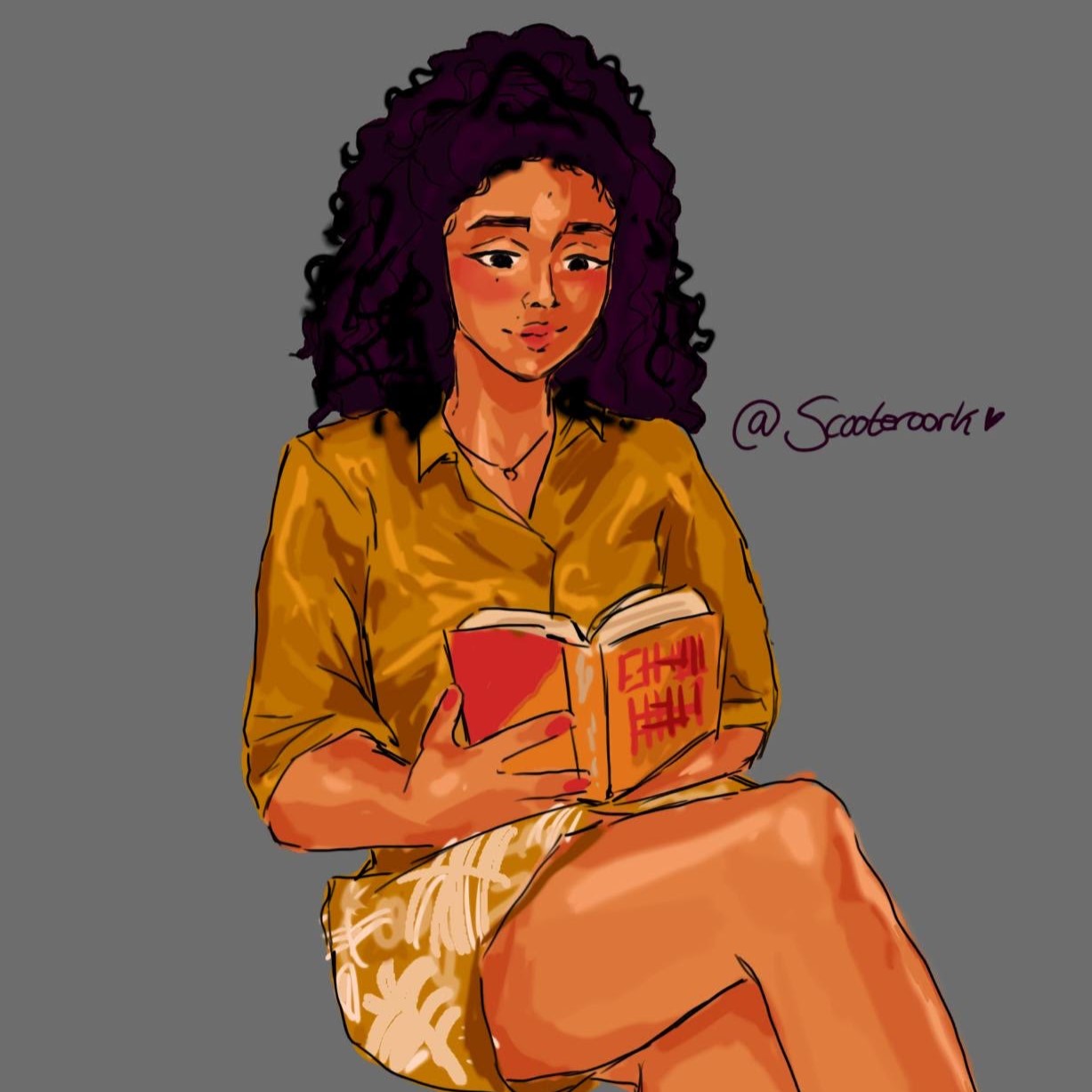
As a teenager, I liked the identity of an erudite reader with grand musings on society that books gave me. Before I had a salary and little supervision over my purchases, I would loan Austen, the Brontës, and Stoker from the library. Running my eyes from line to line, I savored every winding sentence that painted a gothic or romantic scene from a time I never lived. Thanks to the AP curriculum, a shot of dopamine sped through my neurons when I reflected on a poem from John Donne or untangled the sermon “Sinners in the Hands of an Angry God”. The worn copies elevated me away from my school desk and into a timeless space made of beautiful prose that often went over my head.
The turns of phrase, the settings that we see behind closed eyes, the fictional faces that don’t seem so fictional when you’re reading how their lives – from black words on white pages, we become a composite of identities absorbed. Some crisscross into a fine patchwork lattice like the loyal and authentic companions of Samwise Gamgee and Ron Weasley. Others sit side by side awkwardly, like friends of a friend that have to make small talk. How would conversation start between the messianic Paul Atreides and brooding Edward Cullen? 2
Not everything we consume is what we become. Books don’t change you just because they should. If they did, how many of us would already be free of bad habits and swimming in good ones (courtesy of every self-help book on our shelves)? Thus, it follows that some might change you, even if you didn’t think they could. The older I get, the more I realize this is true.
I don’t easily find my way through nature. There’s a familiarity some people feel in the soft earth and an ease with the critters that inhabit oaks and Douglas firs. While I frequently trip over branches and duck to avoid dragonflies, my list of most influential literature would not be complete without Laura Ingalls Wilder (Little House on the Prairie series) and Lucy Maud Montgomery (Anne of Green Gables series).
Five books with glossy covers and colorful illustrations made up The Little House Collection. My mom had gifted me these books with the hopes of starting a tradition where each of her children would read this series. To this day, I am the only one who read them in their entirety. At 8 years old, I was enamored by the special editions and ran my fingers along the binding so often that I can still feel the soft embossed titles today. The series followed the Ingalls family and their lives as homesteaders in the Midwest of late 19th century America. Laura, the series’ first protagonist, recounted the chores and trials of rural life, from sweeping their log cabin to making maple syrup for sugaring-off. My copy of Anne of Green Gables was less spectacular, an edition from the now defunct franchise Borders. Nonetheless, Anne Shirley’s boisterous personality reached past the paper back and made me listen to her adventures of in an imaginary place on Prince Edward Island. Cherry trees, sloping hills, romantic forest pathways, and glittering bodies of water housed the orphan’s youth as she made friends, mistakes and memories.
These authors wove the landscape deep into their narratives. While the content is far from assailable (see critiques on Wilder’s books with regards to the role of Native Americans), their relationship to the natural world imprinted on me longer than the storylines did. For Wilder, the sprawling Midwest saw love, loss, challenge and strength. For Montgomery, Avonlea’s countryside mirrored the ardor her main character had for life with each passing year. For me, from a quiet suburb with manicured lawns, nature started to glow enticingly.
Mind you, I didn’t rush to build a cabin on the woods. Over the years, much like those two girls (with different hardships but girls like me just the same), I have dug myself deeper into the world. When I leave home, my eyes didn’t flicker past the trees anymore. I drink in fresh air, lungs full of appreciation. Birdsongs are respite on a stressful day. In the same way that time passed for me, I see differently the changes in my own landscape. Living closer to nature than before, my heart constricts with awe at how just like the vibrant world dips and crescendos in color, so do I. In winter’s cool embrace, with silent snowfall and bitter blue skies, I too slow down. In spring’s yawning mornings, with unfurling petals and liquid sunsets, I awake with similar strength.
We don’t just burrow into a good book, it burrows into us too. Sometimes we have some agency over which do. Other times, you don’t realize they’ve managed to sneak in until you’re smiling at the curve of a mountain.

